Common Misconceptions About Freight and Transport Difference
Lading Logistics specializes in delivering global freight solutions designed for seamless business operations. Our experienced team manages transportation across air, sea, and land with precision and care. From packaging to doorstep delivery, we ensure efficient handling and reliable timelines. Partner with Lading Logistics for superior shipping services, consistent performance, and dedicated customer support.
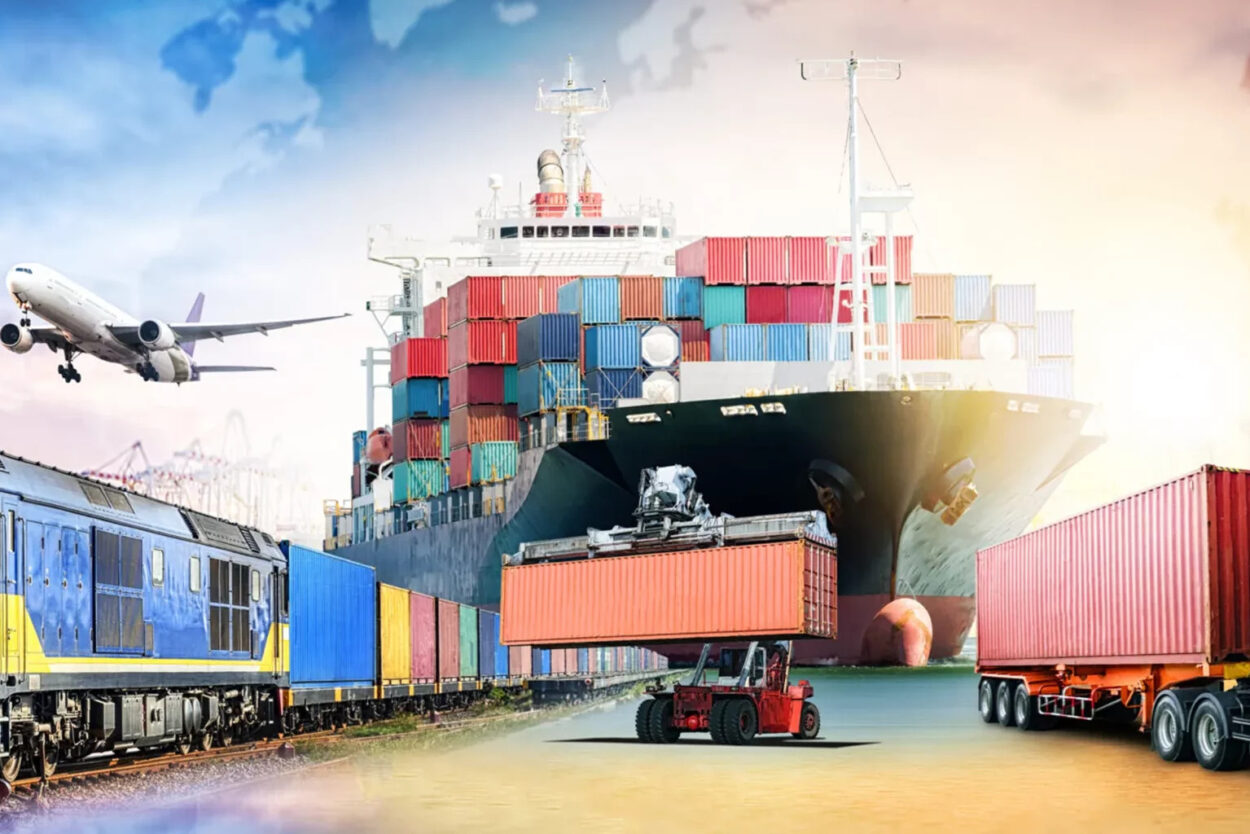
In global trade, terms like freight and transport are often used interchangeably. While closely related, they carry distinct meanings in logistics. This confusion leads to misconceptions that can affect how businesses plan, budget, and manage their supply chains.
With the growing complexity of international trade, shippers need to understand the difference clearly. Companies like Lading Logistics help businesses overcome these misconceptions by offering transparent solutions across multiple modes of freight transport. This article breaks down the key differences, addresses common misunderstandings, and shows how informed decisions improve supply chain performance.
Freight vs. Transport: The Core Difference
Freight refers specifically to the goods being shipped—whether by land, air, or sea. It often relates to the cost of moving goods, including handling and packaging.
Transport, on the other hand, refers to the physical process of moving those goods from one location to another. It encompasses the methods, routes, and logistics systems involved.
In simpler terms: freight is the cargo; transport is the movement of the cargo.
Common Misconceptions About Freight and Transport
1. Freight and Transport Are the Same
Many assume freight and transport are identical. The truth is, freight refers to the shipment itself, while transport is the system that enables movement.
2. All Modes of Freight Transport Cost the Same
Shippers often believe that air, sea, and land shipping have similar cost structures. In reality, each mode has unique pricing based on distance, weight, speed, and demand.
3. Freight Always Refers to Large Loads
Some think freight means only oversized or bulk shipments. Freight can also include smaller consignments, such as parcel freight or LTL (less-than-truckload) shipments.
4. Transport Only Involves Trucks and Ships
Transport extends beyond trucks and ships—it includes air freight, rail transport, intermodal solutions, and even pipelines in certain industries.
5. Faster Transport Always Means Higher Costs
While speedier modes like air freight are typically costlier, optimized direct routes or consolidated loads can reduce costs without compromising speed.
Why These Misconceptions Matter
Misunderstanding freight and transport can:
Lead to ineffective budgeting when businesses overlook additional costs like handling, storage, or customs duties.
Cause poor decision-making in selecting the best mode of freight transport.
Create supply chain delays when businesses underestimate transit times for different transport modes.
Damage customer trust if delivery commitments are based on flawed assumptions.
The Role of Lading Logistics Modes of Freight Transport
Lading Logistics helps businesses navigate these misconceptions by offering clarity and tailored solutions across multiple modes of transport:
Road Freight – Flexible and efficient for regional and domestic deliveries, including both FTL and LTL shipments.
Rail Freight – Cost-effective for long-haul, high-volume loads with reduced environmental impact.
Air Freight – Ideal for urgent, high-value shipments where speed is the priority.
Ocean Freight – The most economical option for bulk and oversized cargo, particularly for international trade.
Intermodal Solutions – Combining road, rail, and sea to optimize both cost and efficiency.
By evaluating each shipment’s needs, Lading Logistics modes of freight transport ensure businesses select the most cost-effective and reliable option.
Technology as a Transparency Driver
Modern logistics platforms provide tools that clarify differences between freight and transport, helping shippers avoid misconceptions:
Rate Calculators for cost transparency across modes.
Real-Time Tracking for visibility into cargo location and delivery estimates.
Data Analytics to compare efficiency, costs, and transit times across transport modes.
Digital Documentation to streamline freight management, reducing human error.
Benefits of Understanding Freight vs. Transport
Accurate Cost Planning
Businesses can allocate budgets more effectively when they understand both freight charges and transport costs.Better Mode Selection
Recognizing differences helps shippers choose the right mode of transport for each type of cargo.Improved Efficiency
Clearer insights into logistics reduce delays and optimize resource use.Stronger Customer Service
With accurate timelines and pricing, businesses can build trust and reliability with their customers.Risk Reduction
Awareness of the differences helps avoid compliance issues, missed deadlines, and unnecessary expenses.
Real-World Example
A manufacturing company once assumed air freight was always costlier than sea freight. For a critical shipment, they chose ocean transport to save costs but faced a two-week delay that disrupted their supply chain.
With Lading Logistics modes of freight transport, they learned that a hybrid air-and-sea solution could have delivered goods faster at only a marginally higher cost. This experience highlighted the importance of understanding transport modes, not just focusing on the freight itself.
Conclusion
Misconceptions about the difference between freight and transport can cause inefficiencies, financial setbacks, and damaged customer relationships. By understanding that freight is the cargo and transport is the process of moving it, businesses can make smarter decisions.
Through Lading Logistics modes of freight transport, companies gain the clarity needed to select the right shipping strategies, reduce risks, and improve cost efficiency. In today’s competitive supply chain landscape, knowledge is power—and accurate knowledge ensures success.